Your order:
Clear cart
Promo code
Subtotal
$0.00
Discount
$0.00
Total
$0.00
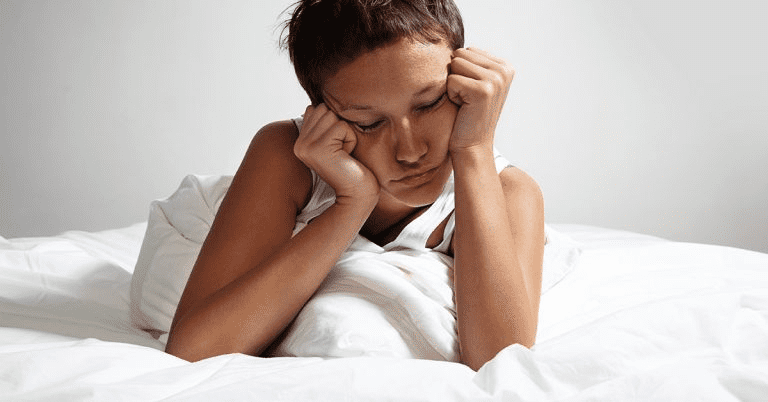
Why do we have much more motivation and energy to push over the limits in the evening?
Why do those snacks seem much more attractive in the shades of evening shadows, than during the daytime?
Melatonin is responsible for sleep. It works as a counterweight to the “pleasure” hormone, dopamine.
The melatonin is suppressed by late activity, such as our beloved phonegazing. When we do so, the balance between melatonin and dopamine shifts in favor of the latter.
Usually, dopamine is produced during the day. But if you don’t get enough joy, your brain tends to get all the missed dopamine in the evening or night. And, yes, in general, this suppresses melatonin!
So in the evening, we start craving for things that can restore this dopamine deficit.
Evening entertainment becomes a habit. It becomes difficult to fall asleep without it. And over time, the usual “dose” becomes insufficient.
Then usually, the person tries to prolong the feeling of well-being and, for example, watches several episodes instead of just one. We all know those whole-season-watchers, I guess.
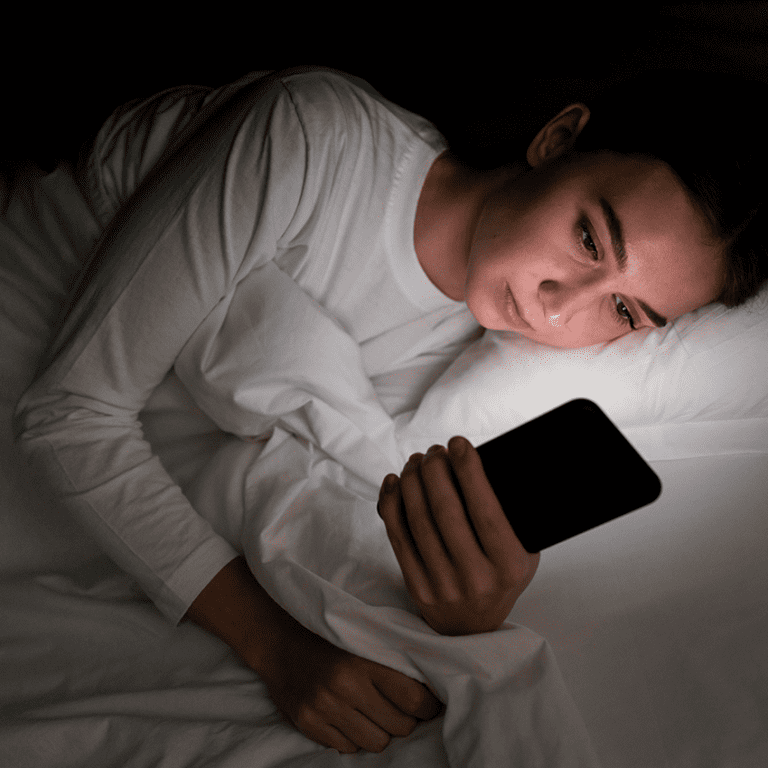
All this may lead to a total lack of sleep and failure of hormonal balance.

Add more natural light to your mornings and cut off all the light sources during a sleep period. Yes, even those small LEDs on your TV or PlayStation.

Search for positive chatting and achievements gaining.
The more dopamine we get during the day, the less of our attention is pinned to the fridge and social media in the evening.

3. Give yourself enough physical and intellectual activity to be well-tired by evening
With HEALBE GoBe smart band, a good night’s sleep is no longer a problem.
GoBe’s algorithms analyze sleep based on pulse readings and occasional movements throughout the night.
When you wear GoBe continuously for 18+ hours, the smart band starts creating personalized sleep recommendations. Those recommendations are based on your stress level, daily activity, time zone changes, and average sleep duration.
Was this helpful?
Please note that HEALBE GoBe is not responsible for any content that purports to give medical advice or advice regarding fitness training, exercise, or diet. Always seek the advice of a physician or other qualified health provider with any questions you may have regarding a medical condition and prior to starting a diet or physical fitness program.