Standard recommendations like eight hours of sleep cannot serve as a universal rule for everyone. We’ve all experienced situations where the “ideal” eight hours simply weren’t enough. Sleep has two key components, and beyond total duration, sleep quality is critically important.
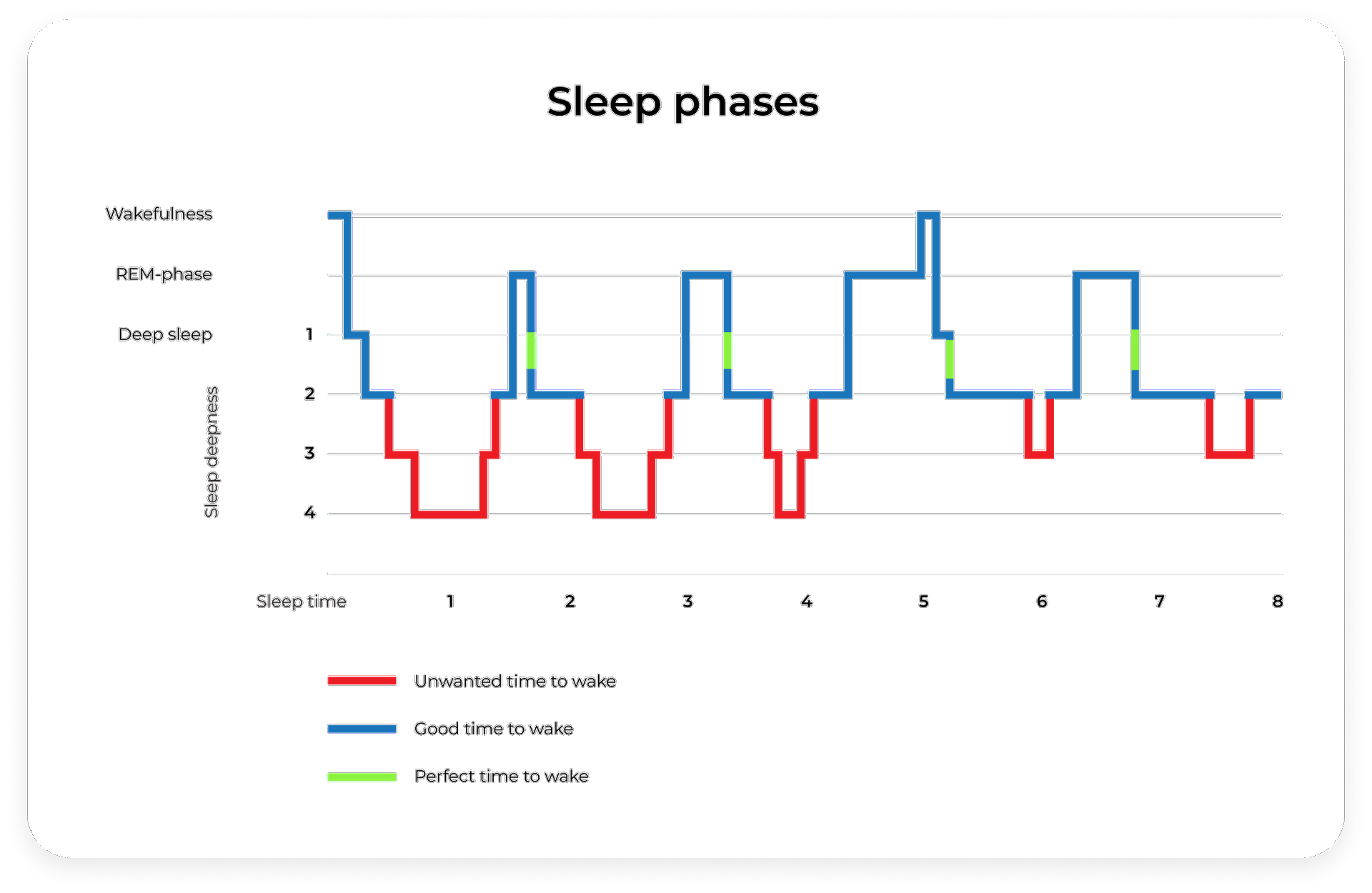
In 2017, the U.S. National Sleep Foundation (NSF) published sleep quality recommendations based on an analysis of 277 studies, focusing on sleep continuity, structure, and the absence of excessive daytime sleepiness in adults. The guidelines account for age-related differences, especially for people over 65, and are based on objective parameters such as continuity, sleep structure (the sequence and integrity of sleep phases), and even characteristics of daytime naps.
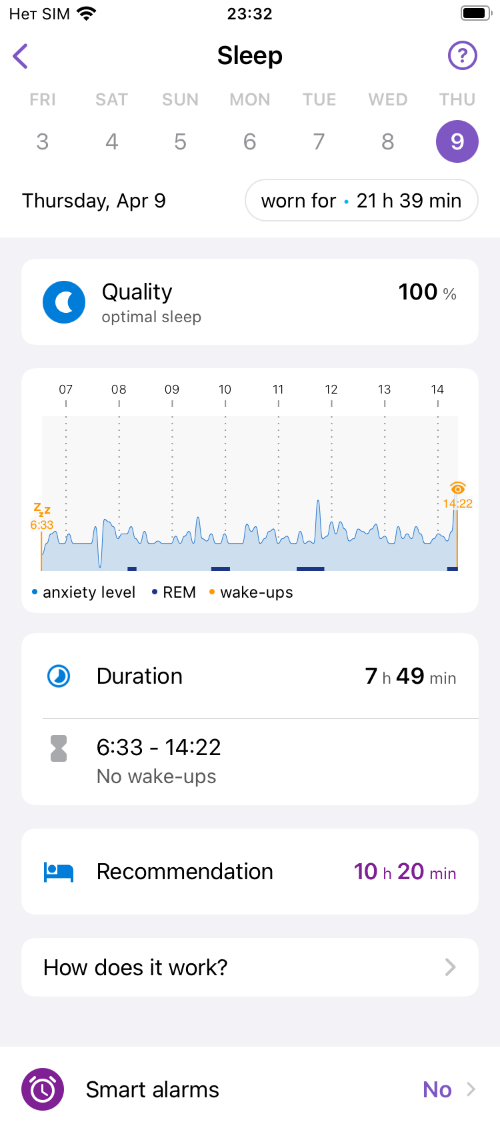
As a result, focusing on total sleep time alone is not enough. To truly rest well, it’s important to monitor sleep depth, spontaneous awakenings, and other factors that together determine overall sleep quality.